

المنتجات الرئيسية
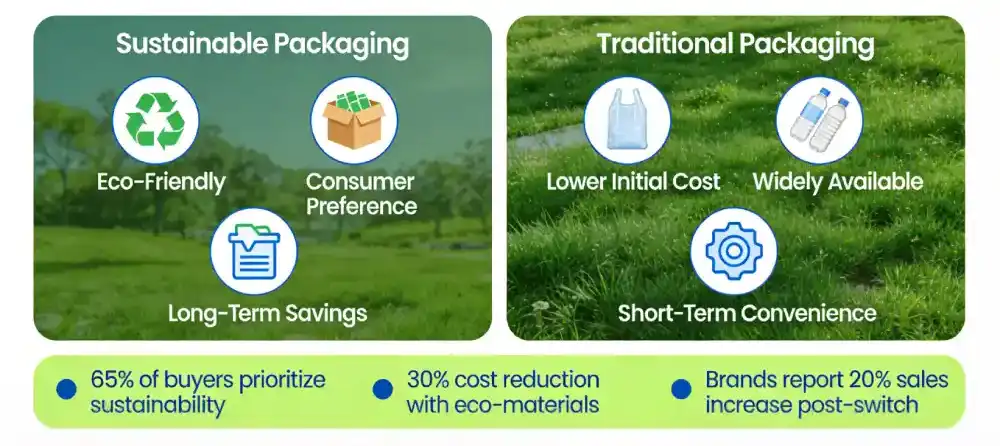
لماذا لا تزال هذه المقارنة تربك المشترين (وتكلفهم المال)
بعد أكثر من 10 سنوات في إدارة خطوط إنتاج صفائح PET وPVC، لقد لاحظت شيئًا مثيرًا للاهتمام:
العديد من المشترين يفكر يفهمون الفرق بين ورقة PET وورقة PVC، ومع ذلك ما زالوا:
لذلك اسمحوا لي أن أكون واضحا جدا منذ البداية:
PET vs PVC ليس نقاشًا تقنيًا.
إنه قرار شراء له عواقب تنظيمية وتكلفة وعلامة تجارية.
في هذه المقالة سأشرح ما يهم في الواقع عند الاختيار بين صفائح PET وصفائح PVC للتشكيل الحراري، على أساس إنتاج المصنع الحقيقي، وتشكيل الأداء، وتجربة التصدير - ليست نظرية.
من وجهة نظر مدير الإنتاج تشكيل استقرار درجة الحرارة غالبًا ما يتم الاستهانة به من قبل المشترين.
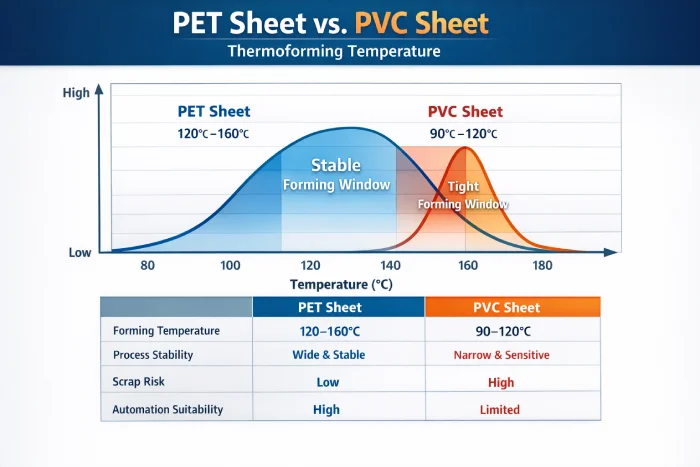
في مصنعنا، تعمل ألواح PET بشكل جيد بشكل خاص على:
رؤية المشتري الرئيسية:
تعني نافذة التشكيل الأوسع لـ PET انخفاض معدل الخردةوخاصة عندما تتقلب ظروف الجهاز.
يتشكل PVC بسهولة عند درجات حرارة منخفضة، ولهذا السبب كان شائعًا تاريخيًا في عبوات الفقاعة.
ولكن في الإنتاج الحقيقي:
رؤية المشتري الرئيسية:
قد يبدو PVC "سهل التشكيل"، ولكنه يتطلب ذلك التحكم الدقيق في درجة الحرارة، وزيادة التبعية للمشغل.
| وجه | ورقة الحيوانات الأليفة | بولي كلوريد الفينيل |
|---|---|---|
| تشكيل درجة الحرارة | أعلى | أدنى |
| استقرار العملية | ممتاز | واسطة |
| خطر الخردة | أدنى | أعلى |
| مناسبة للأتمتة | نعم | محدود |
كشركة مصنعة للتصدير إلى الاتحاد الأوروبي والولايات المتحدة الأمريكية واليابان والشرق الأوسط، هذا هو القسم الذي يجب على المشترين قراءته مرتين.
ورقة PET بشكل طبيعي:
في إنتاجنا اليومي، ورقة PET للطعام يستخدم ل:
معلومات مهمة عن المشتريات:
استخدام PET يقلل عبء التوثيق أثناء التخليص الجمركي وتدقيق متاجر التجزئة.
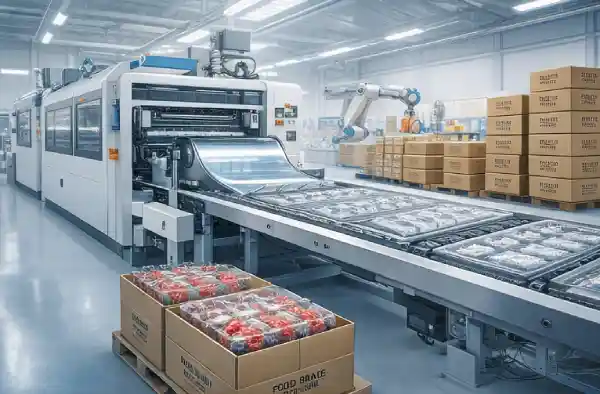
يمكن استخدام صفائح PVC تقنيًا لتغليف المواد الغذائية، ولكن بشروط:
ومن الناحية العملية نرى:
المخاطر على مستوى العلامة التجارية:
حتى عندما يكون مسموحًا به قانونًا، فإن مادة PVC يشير إلى "انخفاض الاستدامة" للمستهلكين.
| عامل | ورقة الحيوانات الأليفة | بولي كلوريد الفينيل |
|---|---|---|
| موافقة الاتصال الغذائي | ممتاز | مقيد |
| رائحة / طعم | حيادي | ممكن |
| قبول التجزئة | عالي | انخفاض |
| المخاطر التنظيمية طويلة الأجل | قليل | عالي |
يركز العديد من المشترين على السعر للكيلوغرام الواحد. هذا خطأ.
لكن تكلفة التغليف لا تقتصر على المواد الخام فقط.
من بيانات المصنع وتعليقات العملاء:
على مدى عام واحد، وجد العديد من العملاء:
تكاليف التعبئة والتغليف PET مساوية أو حتى أقل من PVCبمجرد حساب إجمالي التكاليف.
الحيوانات الأليفة هي:
في أوروبا وأمريكا الشمالية، تتماشى عبوات PET مع:
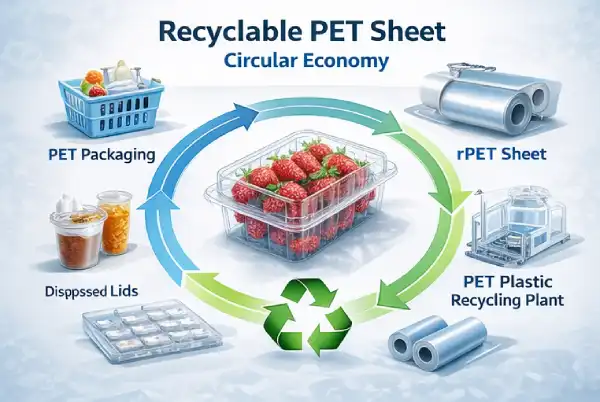
وجوه إعادة تدوير PVC:
العديد من مصانع إعادة التدوير رفض بنشاط PVC.
| وجه | ورقة الحيوانات الأليفة | بولي كلوريد الفينيل |
|---|---|---|
| Recyclabality | ممتاز | فقير |
| ص-استخدام المواد | نعم | محدود |
| درجة استدامة العلامة التجارية | عالي | قليل |
استنادا إلى 10 سنوات من الخبرة الحقيقية في الإنتاج والتصدير، ورقة الحيوانات الأليفة هو الخيار الأفضل عندما:
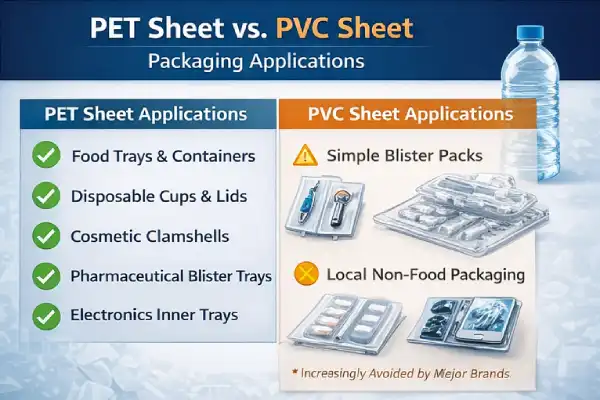
تطبيقات PET النموذجية:
وحتى ذلك الحين، فإن العديد من المشترين ينتقلون بعيدًا.
| عامل القرار | ورقة الحيوانات الأليفة | بولي كلوريد الفينيل |
|---|---|---|
| سلامة الغذاء | ⭐⭐⭐⭐⭐ | ⭐⭐ |
| الاستدامة | ⭐⭐⭐⭐⭐ | ⭐ |
| تشكيل الاستقرار | ⭐⭐⭐⭐ | ⭐⭐⭐ |
| مخاطر الامتثال | قليل | عالي |
| قيمة طويلة الأجل | عالي | انخفاض |
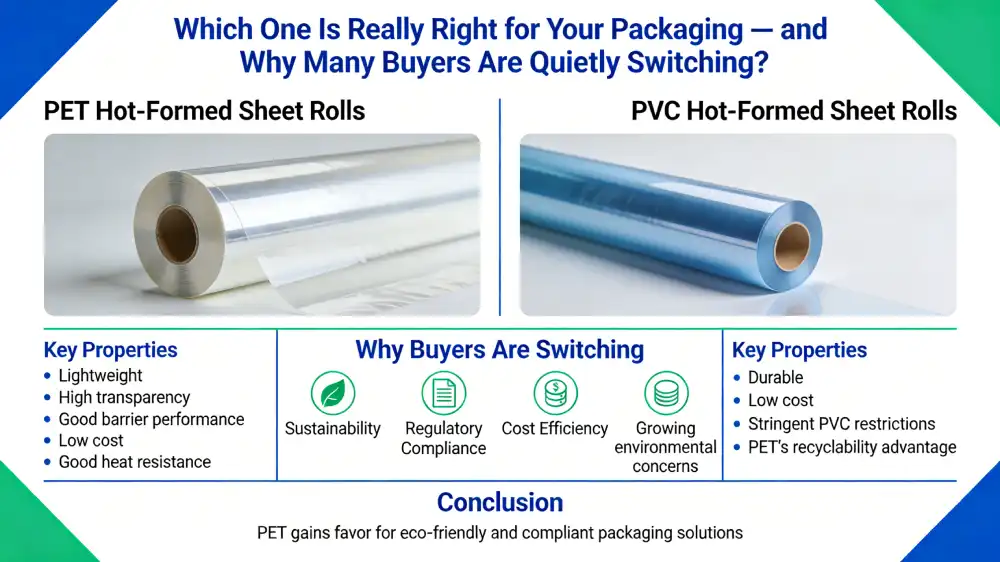
بعد إنتاج آلاف الأطنان من صفائح التشكيل الحراري PET وPVC، استنتاجي الصادق هو:
أصبح PVC مادة انتقالية.
PET هو الحل طويل الأمد.
إذا كانت علامتك التجارية أو بائع التجزئة أو قيم السوق سلامة الأغذية والاستدامة والاستقرار التنظيمي، لم تعد ألواح PET "الخيار المتميز" - بل هي الاختيار الافتراضي.
توفر صفائح PET درجة حرارة تشكيل أعلى، وسلامة أفضل للأغذية، وقابلية لإعادة التدوير، في حين أن صفائح PVC أرخص ولكن لها نافذة تشكيل ضيقة ومخاطر الامتثال.
يوصى باستخدام صفائح PET للتغليف الملامس للأغذية نظرًا للامتثال لإدارة الغذاء والدواء الأمريكية والاتحاد الأوروبي وLFGB وعدم وجود مواد ملدنة ضارة.
تتشكل صفائح PET عادةً عند درجة حرارة 120-160 درجة مئوية، في حين تتشكل صفائح PVC عند 90-120 درجة مئوية، مع توفير PET نافذة تشكيل أكثر استقرارًا.
نعم، إن ألواح PET قابلة لإعادة التدوير على نطاق واسع ومتوافقة مع حلقات rPET، في حين أن إعادة تدوير PVC محدودة وأقل قبولًا.
تعتبر صفائح PET مثالية لصواني الطعام، والأكواب التي تستخدم لمرة واحدة، والأصداف التجميلية، والبثور الصيدلانية، والصواني الداخلية للإلكترونيات.
في حين أن تكلفة المواد الخام لألواح PVC أقل، إلا أن PET غالبًا ما توفر التكلفة الإجمالية عن طريق تقليل الخردة ومشكلات الامتثال وعدم الكفاءة اللوجستية.
يتحول المشترون إلى PET من أجل سلامة الأغذية والاستدامة والامتثال التنظيمي وأداء التشكيل الحراري الأكثر اتساقًا.
نعم، إن صفائح PET مناسبة تمامًا للتشكيل الحراري الآلي عالي السرعة، وقوالب السحب العميق، والإنتاج متعدد التجاويف.
PET قابل لإعادة التدوير بالكامل، ويدعم الحلقات الاقتصادية الدائرية، ويتوافق مع متطلبات ESG وEPR، على عكس PVC.
يمكن استخدام PVC في مشاريع التعبئة والتغليف المحلية البسيطة وغير الغذائية حيث تكون التكلفة حرجة ويكون الامتثال التنظيمي أقل صرامة.
معلومات الاتصال
رقم 32 طريق لوبين، منطقة لاكي الصناعية، شنغهاي، شنغهاي، الصين هاتف:+8613818585204 بريد إلكتروني:[email protected]تابعنا


قم بالمسح الضوئي للتواصل مع مبيعاتنا




انقر للدردشة على الواتساب

منتجات