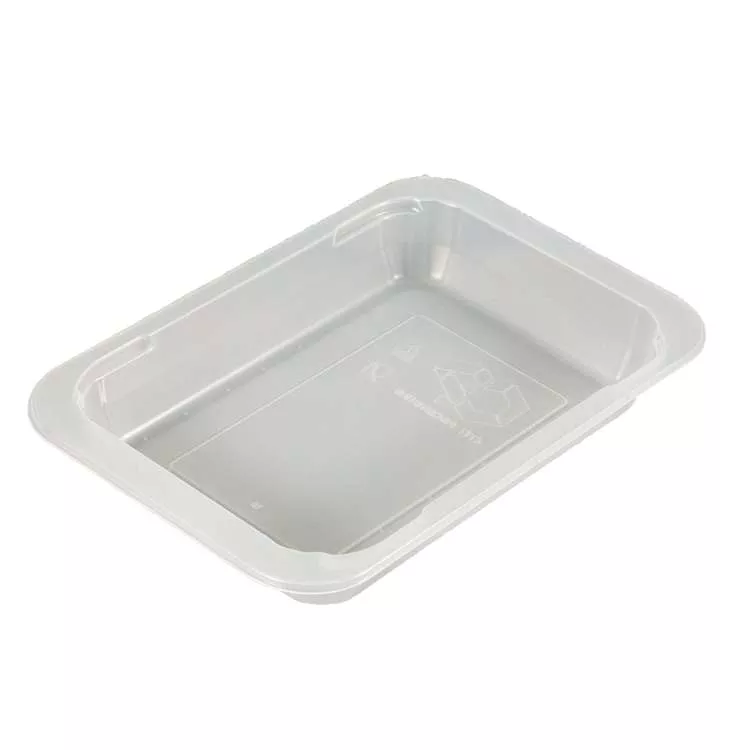
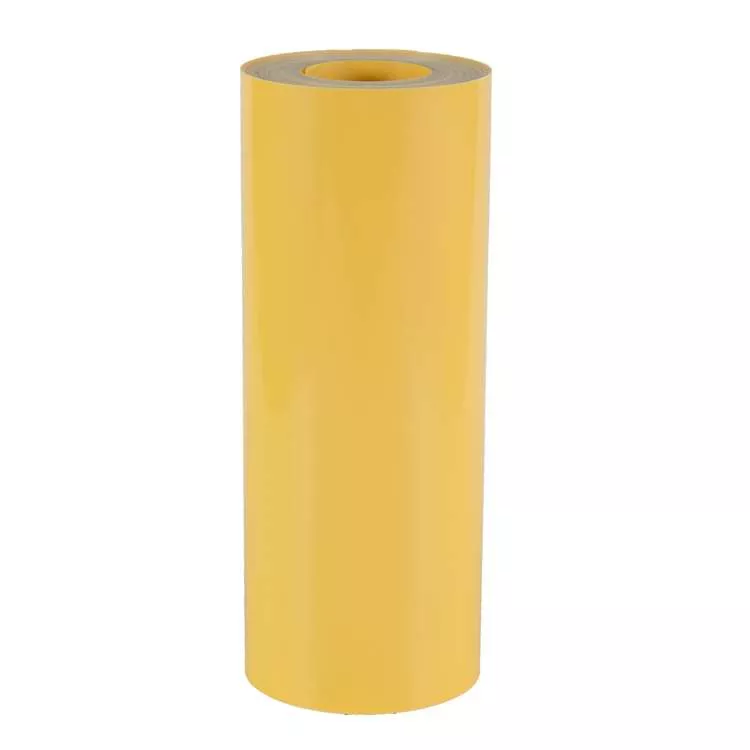
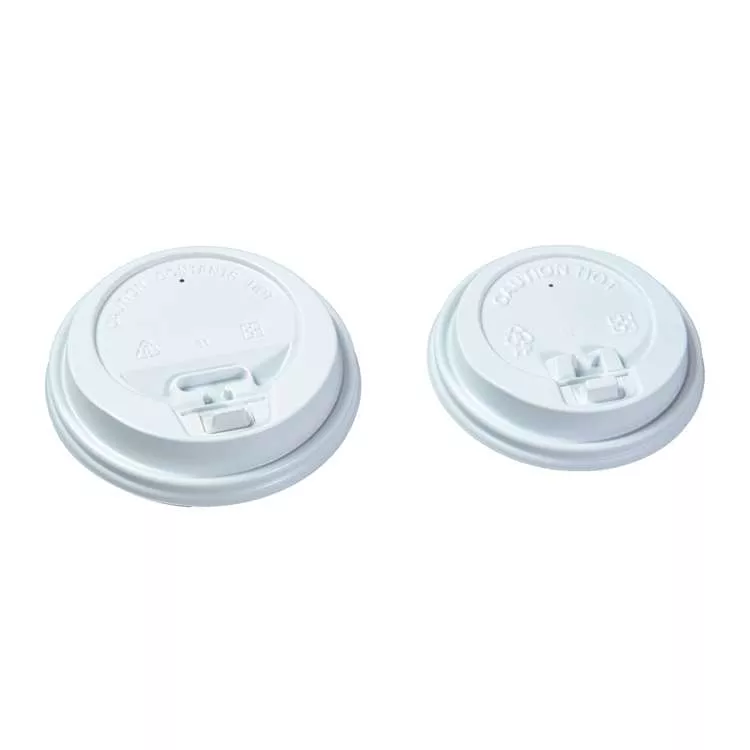
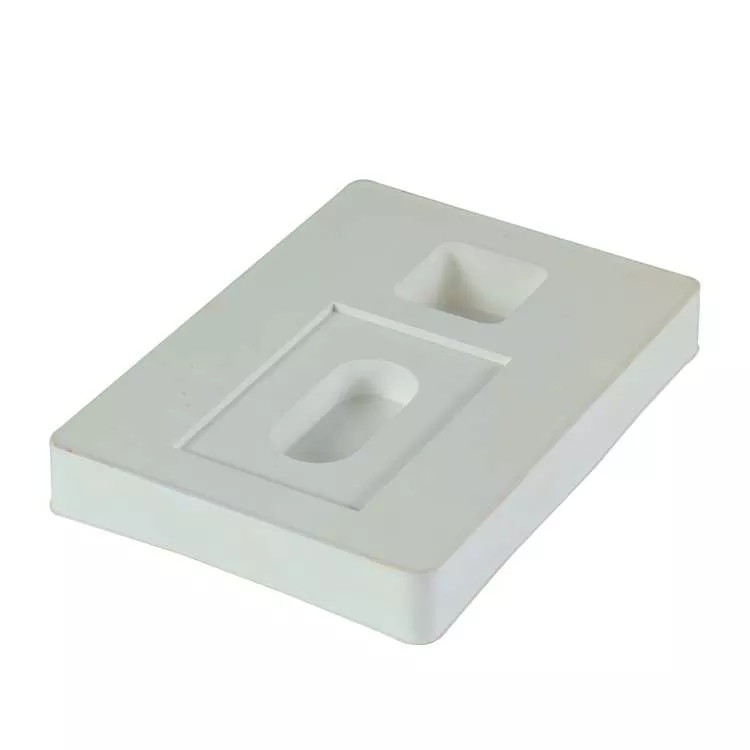
Production process of HIPS plastic sheet roll, thermoforming hips fpr feed tray, HIPS FOOD GRADE ROLLStyrenic is very easy to form free radicals under the action of heat, to perform free radical polymerization, or to form polystyrene in the presence of free radical initiators and ionic catalysts.
The main production methods in the industry include bulk polymerization, suspension polymerization and emulsion polymerization.
The production of homopolymer is mainly bulk and suspension, while copolymers are mostly suspension and emulsion.
In recent years, large-volume copolymer products have begun to be produced in bulk.
Samarium ion polymerization technology is also used to produce individual new varieties of resins (K).
HIPS plastic sheet roll, thermoforming hips fpr feed tray, HIPS FOOD GRADE ROLL characteristics
The main varieties are general polystyrene (ie PS) and expandable polystyrene (ie EPS). The latter is mainly obtained by adding a foaming agent (such as pentane) to styrene for pressure suspension polymerization.
HIPS plastic sheet roll, thermoforming hips fpr feed tray, HIPS FOOD GRADE ROLL is usually an amorphous structure with a density of 1.04 ~ 1.065g / cm3. It is colorless and transparent, high gloss, rigid, non-toxic and odorless. It has excellent electrical insulation, high-frequency dielectric properties and arc resistance. One of several excellent polymer materials.
But brittle, prone to stress cracking, low heat resistance, poor light resistance, not resistant to hydrocarbons, ketones, esters and other chemicals.
Several
HIPS plastic sheet roll, thermoforming hips fpr feed tray, HIPS FOOD GRADE ROLL (modified PS)
①High impact polystyrene, HIPS plastic sheet roll, thermoforming hips fpr feed tray, HIPS FOOD GRADE ROLL: (rubber 5-30%)
AS resin: (AN20% ~ 35%)
③ABS resin
④ EPSAN resin: (AN, ST grafted to EPR)
⑤AAS resin: copolymer of acrylonitrile, butyl acrylate and styrene
⑥ACS resin: copolymer of acrylonitrile and styrene grafted to chlorinated polyethylene
⑦MBS resin: Graft copolymer of methyl methacrylate, butadiene and styrene
HIPS plastic sheet roll, thermoforming hips fpr feed tray, HIPS FOOD GRADE ROLL manufacturing method
Add polybutadiene to the styrene polymerization system to make styrene graft polymerize on the polybutadiene main chain to obtain HIPS.
HIPS plastic sheet roll, thermoforming hips fpr feed tray, HIPS FOOD GRADE ROLL characteristics
Polystyrene and polybutadiene are incompatible, so the styrene and butadiene segments aggregate separately, resulting in phase separation.
These polybutadiene phase regions can absorb impact energy, thereby improving the impact strength of polystyrene, which is high-impact polystyrene (HIPS). GE’s NorylTM is made by blending HIPS with polyphenylene ether (PPO).
HIPS plastic sheet roll, thermoforming hips fpr feed tray, HIPS FOOD GRADE ROLL has excellent electrical insulation properties, and the dielectric loss is still very small, especially at high frequencies. PS is easy to burn, and continues to burn after leaving the fire. The flame is orange-yellow, and there are dense black smoke carbon beams. When burning, the plastic softens, foams and emits a special styrene monomer smell. The main disadvantage of PS is that it is brittle. If the heat treatment of the molded product is not appropriate and there is a large internal stress in the product, the product may crack by itself during use.
The main purpose of HIPS plastic sheet roll, thermoforming hips fpr feed tray, HIPS FOOD GRADE ROLL:
PS is widely used in the optical industry because of its good light transmission. It can be used to manufacture optical glass and optical instruments, as well as transparent or colorful, such as lampshades, lighting appliances, etc. HIPS plastic sheet roll, thermoforming hips fpr feed tray, HIPS FOOD GRADE ROLLS can also produce many electrical components and instruments that work in high frequency environments.