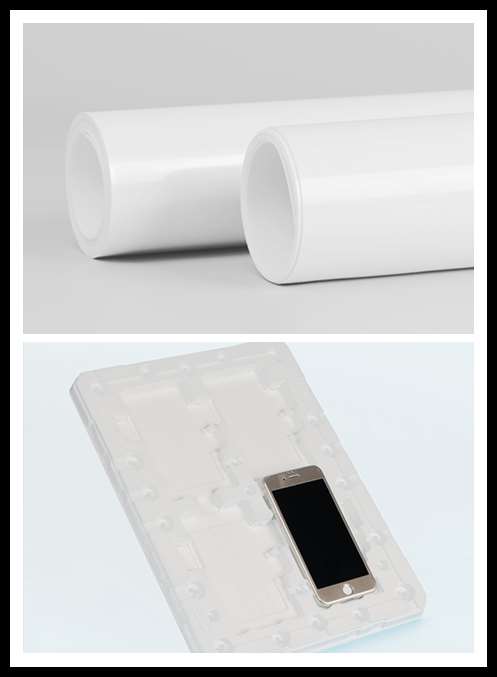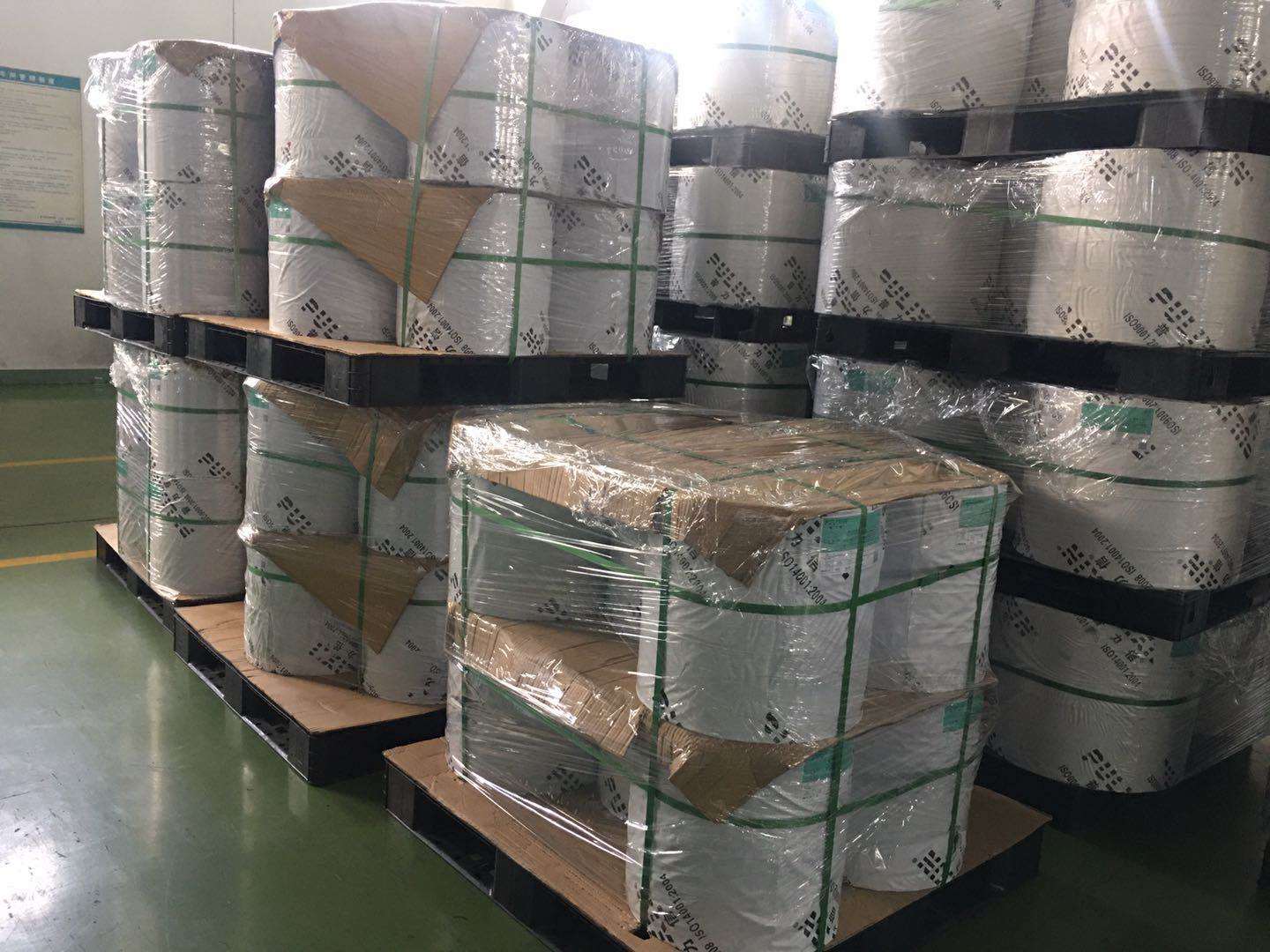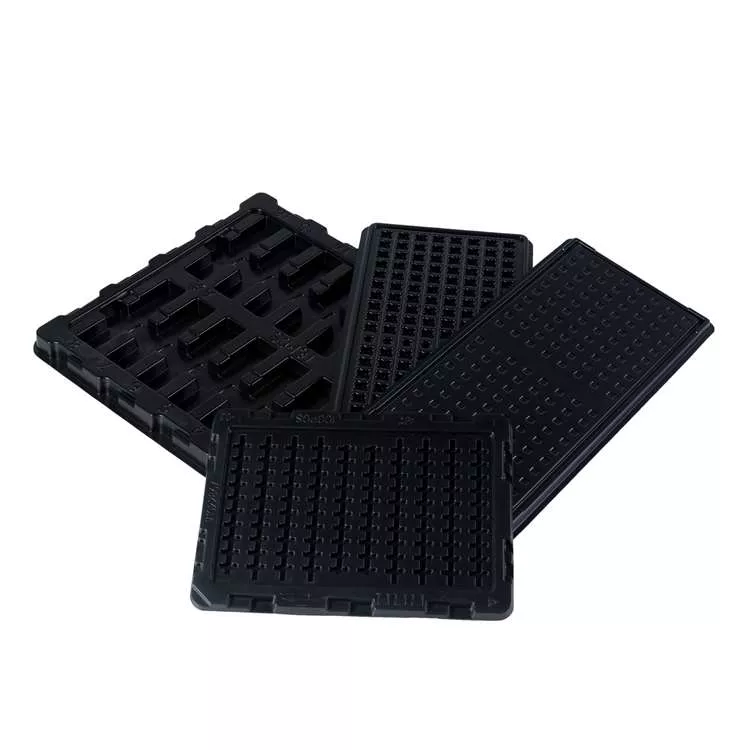
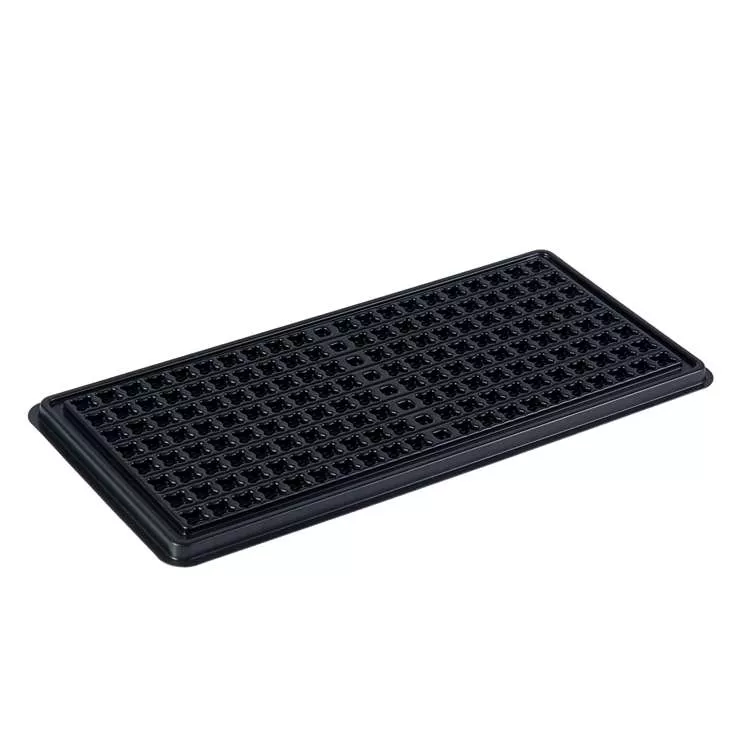
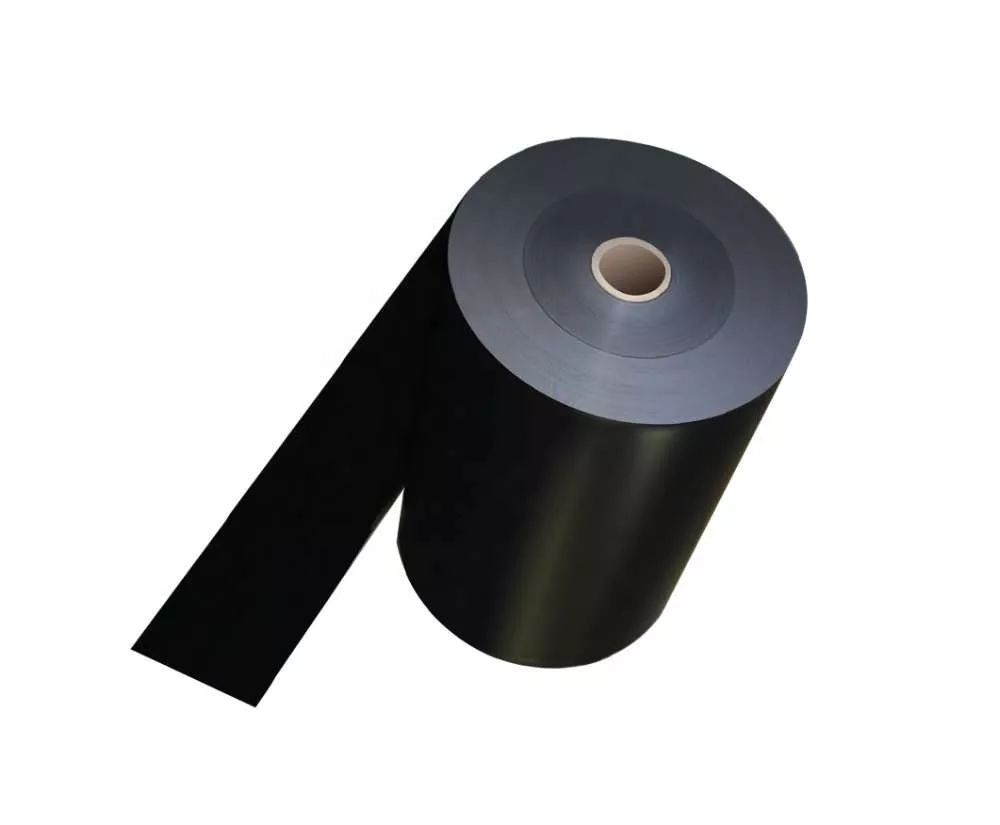
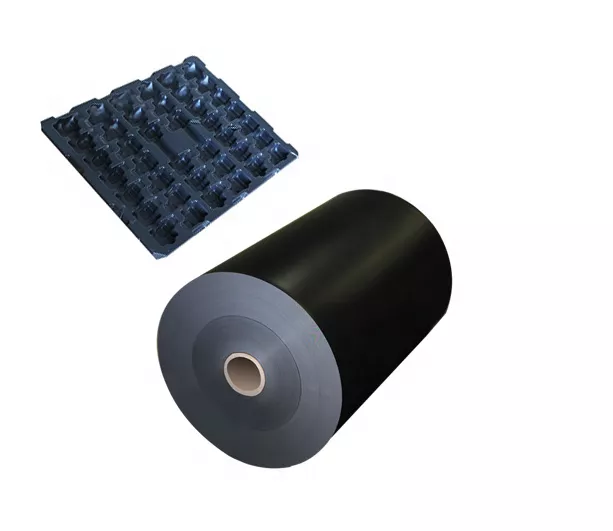
Features Of HIPS Blister Sheet roll for thermoformed packaging of electronicsAt present, the most widely used antistatic method is to add antistatic agent. Antistatic agent is a kind of chemical additive which can prevent the generation of static charge or dissipate the static charge effectively.Antistatic agents are used by coating or adding to the surface of the product.The United States is the largest producer and consumer of antistatic agents, mainly using hydroxyethylated aliphatic amine, quaternary ammonium salt compounds, fatty acid ester antistatic agents, for polyolefin, polyvinyl chloride, polystyrene, ABS, polycarbonate, etc.The European Union is also a major region for the production and consumption of antistatic agents, 50% of which are hydroxylated aliphatic amine, 25% are aliphatic hydrocarbon sulfonate, 25% are quaternary ammonium salt and fatty acid polyols.Non-ionic and cationic antistatic agents are widely used in Japan, among which 20% are used in PVC and 30% in PP.China’s antistatic agent development is fast, mainly for the plastic industry with high efficiency non-toxic antistatic agent, synthetic fiber industry with high efficiency multi-functional antistatic agent and surface treatment agent.In the case of the same air humidity, the hydrophilic antistatic agent will be combined with more water, so that the polymer surface adsorption of more water, ion ionization conditions are more sufficient, so as to improve the antistatic effect.
Polystyrene (PS sheet) is a kind of thermoplastic resin, which is widely used because of its low cost and easy processing.
Polystyrene is available in the form of homopolymer (transparent granules) or toughened graft copolymers or blends with elastomers (impact resistant polystyrene IPS sheets).The physical and thermal properties of
polystyrene copolymers are better than that of homopolymers.There are several grades of
polystyrene, such as standard
HIPS sheet and standard transparent grade, environmental stress cracking resistance grade (ESCR), ultraviolet resistance grade.High flexible grade, foamable grade, super primary grade and low residual volatile grade of flame retardant grade, wear-resistant grade, high flexible grade, foamable grade, super primary grade and low residual volatile grade of lightweight parts.
Polystyrene resin is used to make disposable tableware, automobile parts, packaging materials, toys, building materials, electrical appliances and household items in daily life.
HIPS Blister Sheet roll for thermoformed packaging of electronics
There are several ways to make polystyrene.One of the earliest methods of industrial production is to make transparent PS sheet by suspension polymerization and impact-resistant PS sheet by bulk and suspension polymerization.The styrene monomer is mixed with almost equal volume of water, and the surfactant is added to stir the styrene monomer into suspended droplets, which are finally polymerized into hard beads.An initiator is added to the reaction to accelerate and terminate the reaction.Finally, the polystyrene beads are extruded into pellets.
The same method is used to prepare the developable polystyrene, except that a foaming agent (typically pentane) is added during the impregnation process.The method of anti-impact polystyrene is to dissolve rubber in styrene and conduct bulk polymerization (make styrene and PS sheet react below the phase transition point, add water and surfactant to make it into suspension, add no agent to terminate the reaction, and then dry the bead, extrude and cut the bead.At present, continuous bulk polymerization is mostly adopted in production. In this production process, styrene (to make transparent PS sheet material) or styrene – rubber solution (to make impact-resistant PS sheet material) should undergo continuous reaction before reaching the optimal conversion rate, and then stripping off the unreacted components for granulation.