

Main Products
If you’ve ever sourced materials for blister packaging, you’ve probably faced this question:
Should I use PETG or APET?
At first glance, they look very similar—both are clear, both are thermoformable, and both are widely used in packaging. But once you bring them into actual production, the differences become very real.
This guide breaks it down from a practical, production-focused perspective, so you can choose the material that actually fits your needs—not just what looks good on paper.
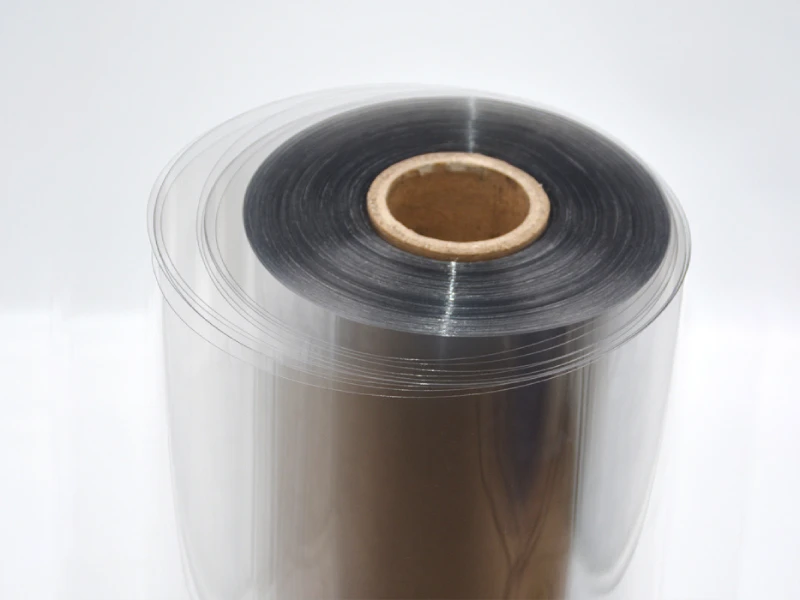
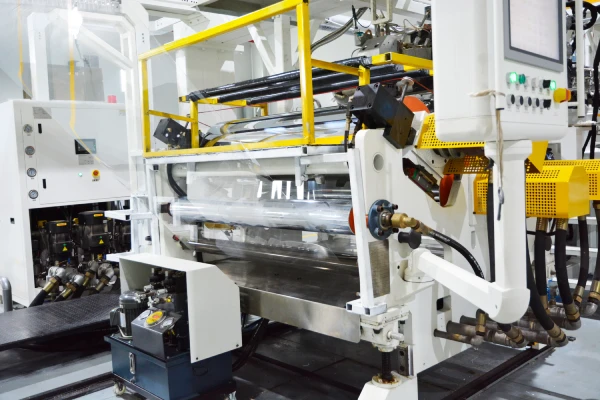
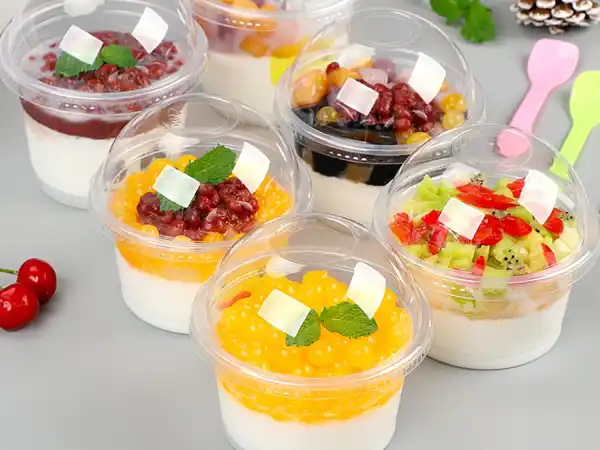
APET (Amorphous Polyethylene Terephthalate) is widely considered the industry standard for blister packaging, especially in food and retail applications.
The reason is simple: it performs reliably at scale.
In real-world production, APET offers:
This is why APET is commonly used for:
However, APET does have a limitation that becomes noticeable in certain environments:
It can become brittle under low temperatures or high impact conditions
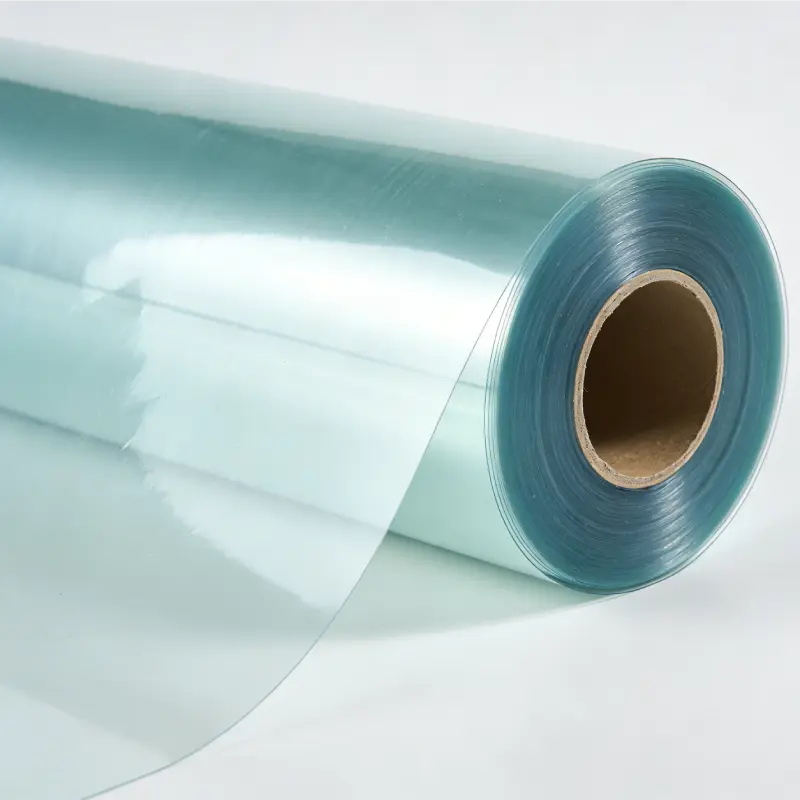
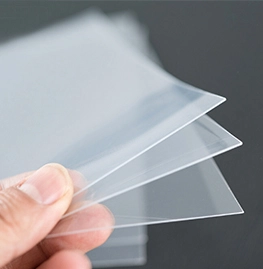
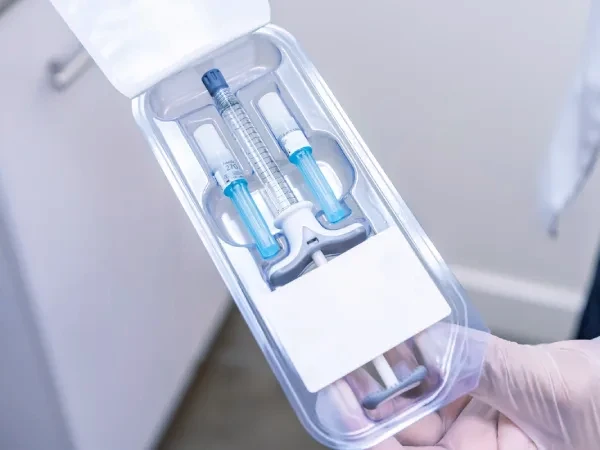
PETG (Glycol-Modified PET) is essentially a modified version of PET designed for improved toughness.
If APET is about efficiency, PETG is about performance under stress.
Key advantages include:
Because of this, PETG is often used in:
That said, these benefits come with trade-offs:
Higher material cost + softer surface (more prone to scratching)
Looking at datasheets is one thing. Running a thermoforming line is another.
Here’s how these two materials compare where it actually counts:
For large-scale, automated production → APET is more efficient
For transport-sensitive or fragile products → PETG is safer
For most retail packaging → Either works well
For cost-driven projects → APET is the logical choice
For eco-conscious markets → APET has an advantage
Instead of asking “Which is better?”, a more useful question is:
Which one fits your application?
In real projects, the decision is not always binary.
Many experienced buyers take a hybrid approach:
Use APET with functional modifications
(such as anti-fog, anti-static, or impact-modified grades)
This allows you to:
It’s a more balanced solution—and often the most cost-efficient one.
No. PETG offers better toughness, but APET is more cost-effective and easier to process for most applications.
Yes, in many standard packaging applications. However, PETG is preferred for high-impact or low-temperature environments.
APET is the most commonly used material due to its clarity, safety, and cost efficiency.
Because of its modified structure, which enhances impact resistance and flexibility.
Choosing between PETG and APET is not about picking the “best” material.
It’s about understanding:
In many cases, the smartest decision isn’t the most expensive material— it’s the one that delivers consistent performance at scale.
Contact Info
No.32 Lubin Rd, Luyuan Industrial Zone,Pudong, Shanghai, China Phone:+8613818585204 Email:[email protected]Follow us


Scan to Connect with Our Sales




Click to Chat on WhatsApp

Products